
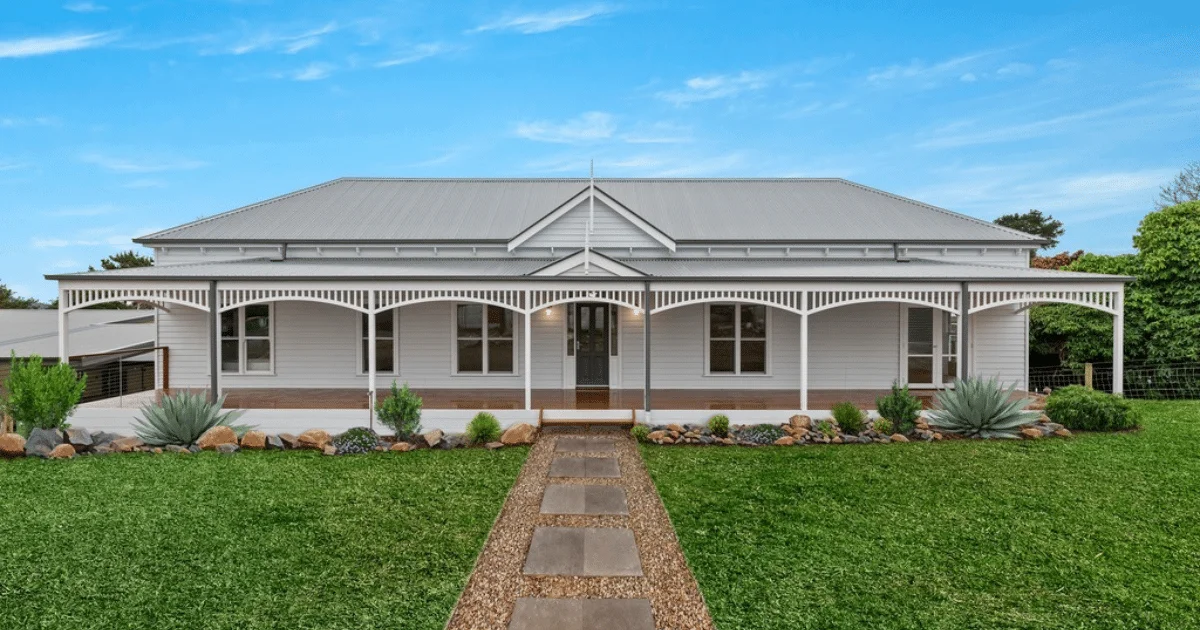
Building a custom home is one of the biggest investments most families will make, and it often brings a mix of excitement and pressure as the project moves from ideas into planning.
Over time, we’ve worked with clients at very different stages of their building journey. Some are just starting to shape their dream home, while others already have plans in place and want to make sure they’re asking the right questions before committing to a builder.
That’s why we’ve pulled together the key questions to ask when building a custom home. These are the conversations that tend to surface early gaps, test assumptions and give your project a stronger footing before anything is locked in.
1. What will this home need to do for us every day, not just on paper?
Most projects begin with ideas about layout, finishes and inclusions. That’s a natural first step, but those ideas don’t always reflect how the home will actually function once you’re living in it.
Start with your current home. Pay attention to where it feels easy to live in and where it starts to feel tight.
You might notice:
- the kitchen becoming crowded during busy mornings
- living areas that don’t support gatherings the way you expected
- a lack of separation when work, school and home life overlap
Those patterns give clearer direction than inspiration alone. They point to how your new home needs to work, not just how it should look.
Work through this with your designer early. The layout starts to take shape around how your lifestyle actually runs, which carries through the entire design.
You might ask:
- Which spaces will we rely on most day to day?
- Where do we need flexibility as our family evolves?
2. Are we designing around the land, or trying to make the land fit the design?
Once house plans start taking shape, the next step is placing them on the block. That’s usually where alignment either becomes clear or starts to drift.
Across the Yarra Valley, very few sites are straightforward. In areas like Gruyere or Warrandyte, slope, access, and bushfire overlays with BAL rating requirements often shape how a home can be built.
When a layout doesn’t respond to those conditions, the impact shows up quickly. Extra excavation, retaining, more complex structure. Costs begin to shift as soon as engineering steps in.
Homes that follow the land tend to resolve more naturally. Levels step with the site. Living areas pick up natural light where they should. Outdoor spaces connect without feeling forced.
Bring your builder and designer into this conversation early, particularly on sites with fall or bushfire constraints.
You might ask:
- If we let the site lead this, what would change?
- Are we holding onto a layout that’s increasing site costs unnecessarily?
3. Where are we most likely to overspend without realising it?

Cost rarely shifts in one obvious move. It builds through a series of decisions that feel reasonable at the time.
Selections are usually where it begins. Finishes, fixtures, and upgraded materials across multiple spaces. Each decision feels justified, especially when you’re working toward a complete and well-resolved home.
The shift happens when those decisions come before the fundamentals are fully worked through. For a deeper breakdown of how costs typically move across a project, it’s worth understanding the cost of custom-built homes and what to expect early.
It’s not unusual to see budgets weighted heavily toward visual upgrades early on, while elements like glazing, insulation or layout adjustments are pushed later.
In the Yarra Valley, those decisions tend to show their value once the seasons change, particularly on exposed sites or larger blocks.
Builders with a strong track record will usually call this out early and redirect attention to where the budget holds up over time.
Questions that open this up:
- Where do projects like this usually overspend?
- If we redirected part of the budget, where would it make the biggest difference?
4. What decisions will be hardest to change later if we get them wrong now?
Some decisions allow room to adjust. Others carry through the entire project.
Focus on the parts of the design that tie into the home’s structure.
That often includes:
- overall layout and circulation
- orientation of living areas
- window placement
- structural elements and services
For example, positioning living areas without properly considering aspects can leave a home feeling flat, even when everything else has been executed well.
Changing that later involves far more than swapping finishes. It often leads back to redesign, additional cost and delays.
Raise this early with your builder and designer, before documentation moves too far forward.
You might ask:
- Which parts of this design are effectively locked in once approved?
- If we needed to revisit this later, what would it involve?
Start Planning Your Dream Home
Thinking about building a custom home? Our team can guide you through design, planning, and construction.
5. How do you keep the budget aligned as decisions are made?
Costs move as the design develops. Materials, selections and details all influence the overall cost.
What matters is how those movements are tracked and managed.
A well-run building process includes regular checkpoints where decisions are reviewed alongside their cost implications. Adjustments happen early, before anything is locked in.
Without that visibility, it’s easy for small decisions to stack up and shift the overall budget.
Before entering into a building contract, clarify:
- whether pricing is based on a fixed price
- how selections, finishes and allowances are captured within the overall pricing
- how variations are handled as the project progresses
A more structured approach to budgeting for a custom build can help you balance design intent with financial planning from the outset.
Ask your builder:
- How do you track cost as selections are made?
- How will we know if something starts to move outside the agreed range?
6. Who is actually managing each stage of the project?

A custom home involves multiple contributors across design and construction.
Architects, designers, consultants and your home builder all play a role, but from your side, the structure needs to feel clear and consistent.
Clarify:
- who leads the design phase
- who manages construction on-site
- who your main point of contact will be
An established builder with a solid track record will set this out from the beginning.
When roles are clearly defined, communication flows more easily and decisions move forward without unnecessary back-and-forth.
7. Where do projects typically lose control, and how do you prevent it?
Every project has pressure points. The difference lies in how early they are recognised.
Projects tend to drift when:
- documentation isn’t fully resolved before construction
- decisions are delayed and then rushed
- budget and design begin to separate
Once construction begins, those issues become harder to manage.
Builders who plan thoroughly up front tend to avoid most of these situations.
Looking at completed projects and speaking with past clients can give a clearer sense of how a builder handles challenges as they arise.
You might ask:
- What do you focus on before construction to keep things on track?
- How do you handle unforeseen issues during the build?
8. How do you balance design intent with cost and buildability?

Design and construction don’t always align automatically.
A concept may read well on paper, but introduce complexity once it moves into construction. That can affect cost, materials and the overall process.
Bring your local builder and designer into the same conversation early and test decisions before they are finalised.
Ask:
- Does this part of the design add complexity without improving the outcome?
- Where can we simplify without losing the intent?
Getting this balance right early tends to make the entire project run more smoothly.
9. What are we not seeing or thinking about yet?
When you’re working through plans and selections, attention naturally focuses on what’s already in front of you.
Experience fills in the gaps.
That might include:
- how spaces connect once the home is lived in
- how certain materials wear over time
- small details that influence comfort and usability
Even minor adjustments at this stage can shift how the home feels once completed.
Ask your builder:
- What tends to get overlooked in projects like this?
- What would you adjust here based on past builds?
Start Planning Your Dream Home
Thinking about building a custom home? Our team can guide you through design, planning, and construction.
10. How will the home perform in five to ten years, not just at handover?
A home can look resolved at completion and still fall short in daily use.
In the Yarra Valley, conditions shift quickly. Cold mornings, warm afternoons, exposed sites and surrounding vegetation all influence how a home performs.
Homes that haven’t been considered carefully in this area often rely heavily on heating and cooling to maintain comfort.
Others feel more stable across the day and across seasons.
That difference comes back to early decisions. Orientation, glazing, insulation, material selection and whether elements like solar panels are included from the start.
Ask:
- How will this home respond to this specific site over time?
- What would you adjust to improve energy efficiency and long-term comfort?
11. Where will the details really matter in this build?

Not every detail carries the same weight. Some areas influence how the home feels on a daily basis.
That often includes:
- kitchens and cabinetry
- bathrooms
- high-traffic areas
- transitions between materials
Focusing effort and budget on these areas tends to lift the overall quality of the home.
Ask your builder:
- Where should we focus to get the best result?
- Which details tend to hold up over time, and which ones don’t?
12. If you were building this home for your own family, what would you do differently?
This question shifts the conversation into experience. It opens the door to insight based on completed projects rather than just the current brief.
An experienced builder will usually highlight:
- adjustments that improve how the home functions
- refinements to layout or flow
- decisions that strengthen the outcome over time
It also gives you a sense of who you’re working with. A builder invested in the outcome will engage with this question and offer a considered response.
Asking the Right Questions From the Start
The questions you ask early shape how your entire project unfolds. They influence how your plans develop, how decisions are made, and how smoothly everything moves into construction.
Working with a custom home builder from the outset brings structure to those decisions, keeping the design aligned with your land, your budget and the way you want to live.
At Cobalt Constructions, these conversations form the foundation of every project, guiding each step from early planning through to completion. If you’re planning your custom home in the Yarra Valley, starting with the right questions early often defines how well your home comes together and performs over time.
Frequently Asked Questions
Are you a registered builder in Victoria, and what does that mean for our project?
Yes, we are a registered builder with the Victorian Building Authority (VBA). This means we meet the required standards to carry out residential building work in Victoria. For you, it ensures your home is built in line with current regulations, with the right insurances and compliance in place throughout the project.
How do you manage communication throughout the build?
We keep communication structured and consistent from the beginning. You’ll have a clear point of contact, regular updates as the project progresses, and visibility around key decisions. That level of communication is often what separates a reputable builder from a process that feels unclear or reactive.
Do you work with architects and designers, or do we need to organise that separately?
We regularly work alongside architects and designers and can collaborate from the early design stage. Bringing the builder into the process early helps align design, budget and construction, making it easier to determine if we’re the right builder for your project.
How do you manage budget changes or variations during the project?
We address budget decisions early and keep them visible as the project progresses. Variations are discussed clearly before they are approved, so you understand the impact on cost and timeline. This approach allows us to maintain consistency in both delivery and the use of quality materials throughout the build.
What experience do you have building in the Yarra Valley and similar areas?
We’ve worked across the Yarra Valley and surrounding areas, where site conditions often include slope, access constraints and bushfire considerations. That experience allows us to plan and build homes that respond to the land while meeting relevant local regulations, rather than forcing a standard approach onto more complex sites.


