Design your dream home in the Yarra Valley, and it’s easy to focus on what it will look like.
The layout. The finishes. The overall style. Maybe even early floor plans or inspiration you’ve been saving.
But the most important decisions are made before any design begins.
Without working through those early steps, it’s common to run into issues later. Designs that don’t fully suit the land. Budgets that shift as selections are made. Performance features that are added too late to be effective.
For a home of this scale, those are not small adjustments.
When the right decisions are made early, the entire process becomes more structured. The design develops with purpose, the build moves forward with fewer changes, and the end result feels resolved.
Before you begin the design process, these are the key decisions to work through.
Start With How You Want to Live (Not Just What You Want to Build)
One of the most common mistakes is starting with floor plans before thinking about how the home actually needs to function.
A better starting point is your day-to-day life.
Think about how your household currently operates, and where your existing home falls short. This gives you a clearer direction when developing your home design and reviewing layouts.
For example, we often see kitchens that look impressive on plans but become congested during busy mornings. That’s usually a sign the layout hasn’t properly considered circulation or how the space is used in real time.
To avoid that, consider:
- Do you spend most of your time in shared spaces or separate rooms
- Is the kitchen a central gathering space or more functional and contained
- Do you need quiet areas for work or study
- How important is connection to outdoor spaces, light and views
These decisions directly influence how your house floor plans are shaped.
It’s also worth thinking ahead.
- Will children need more privacy as they grow
- Will your work or lifestyle change over time
- Do you want spaces that can adapt without major renovation
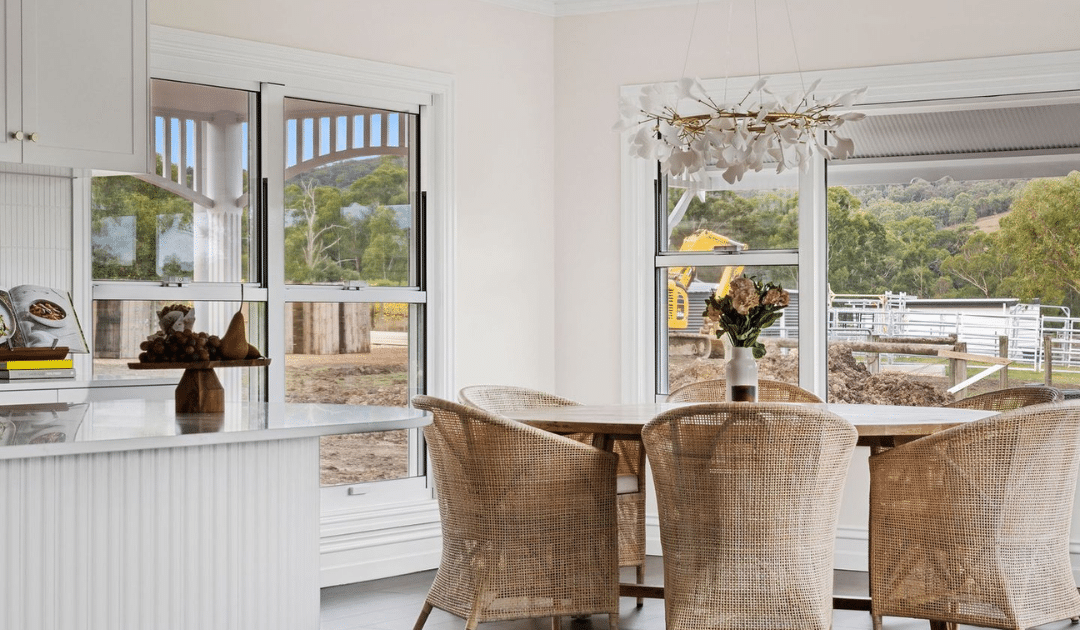
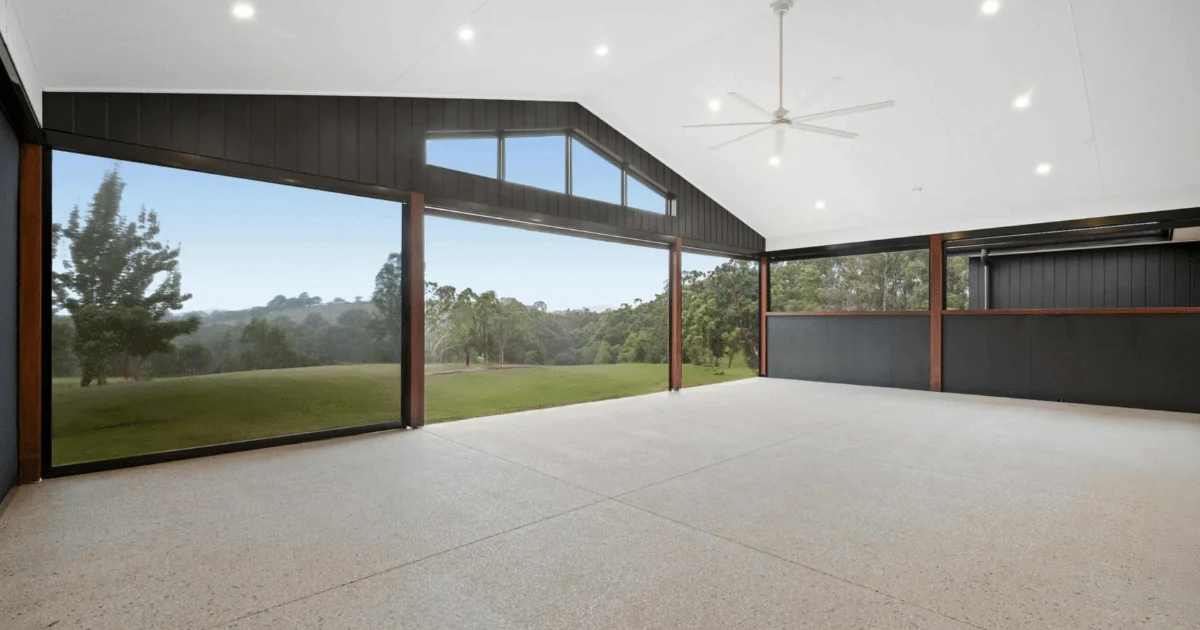
In the Yarra Valley, lifestyle often extends beyond the interior. Natural light, views and outdoor areas become part of everyday living, not something you only notice occasionally.
When this is clearly defined early, the design process becomes more efficient and far more aligned with how you actually live.
Understand Your Land Before You Design

Before exploring house plans or developing concepts, it’s important to understand what your land can support.
In the Yarra Valley, this step has a major influence on design, construction and cost.
Start by assessing:
- Slope and how it affects structure, levels and drainage
- Orientation and how natural light moves across the block
- Access for construction and everyday use
- Views to capture or areas where privacy is needed
- Planning constraints such as bushfire overlays
Each of these factors shapes how the home should be positioned and designed.
A common point where projects begin to lose alignment is when a design is applied to a block it wasn’t intended for. For example, forcing a flat slab on a sloping site can introduce retaining, excavation, and structural complexity that could have been avoided with a more responsive layout. If your site has fall, it’s worth understanding what’s involved in building on a sloping block before finalising your design.
A better approach is to let the land inform the design.
We walk the site early with clients to understand how it behaves. Where the light sits. How the levels change. Where the home will feel most natural.
When this is done properly:
- structural decisions are clearer
- construction becomes more efficient
- the home feels settled in its environment
Start Planning Your Dream Home
Thinking about building a custom home? Our team can guide you through design, planning, and construction.
Define Your Budget as an Investment, Not a Limit
Your budget should guide decisions, not restrict them.
Early in the process, we work with clients to define a realistic investment range and identify where that budget will have the most impact.
Rather than focusing only on cost, it’s about value over time.
We often see projects where too much budget is allocated to visible finishes early, leaving less available for elements that affect how the home actually performs.
A more balanced approach is to prioritise:
- Structural integrity and long-term durability
- Insulation, glazing and sustainability features
- Materials used daily that will experience wear
- Design decisions that influence how the home functions
This doesn’t mean everything needs to be upgraded. It means each decision should be intentional.
It’s also important to allow for contingency. Even well-managed projects include variables, and having flexibility allows you to make decisions without pressure.
When a budget is approached this way, it supports a better outcome rather than forcing compromise later.
Decide What Level of Customisation You Actually Need

Not every home needs to be fully custom, but not every project works with a standard home plan either.
The right level of customisation depends on:
- the complexity of your land
- how specific your lifestyle and design requirements are
If your block is straightforward and your needs align with common layouts, adapting an existing design can be a practical option.
However, once you start modifying those layouts beyond their intended use, the benefits quickly reduce.
Many homeowners try to adjust pre-designed house floor plans to suit sloping land or unique requirements. This can lead to structural compromises, inefficient layouts, or unexpected added costs.
A better approach is to assess this early.
- Are you adjusting a design to make it fit
- Or creating a design that responds to your land and lifestyle
Getting this right from the beginning keeps the project aligned and avoids unnecessary redesign.
Prioritise Performance Early (Not as an Upgrade Later)
Performance is one of the most important parts of a home, yet it’s often treated as an upgrade rather than a foundation.
It affects comfort, efficiency and how the home performs over time.
In the Yarra Valley climate, where temperatures vary throughout the year, this becomes even more important.
Key areas to consider include:
- Orientation of living areas for natural light
- Insulation across walls, floors and ceilings
- Window placement and glazing performance
- Ventilation and shading
When these elements are integrated early, they work together as a system. The result is a home that:
- maintains a more consistent internal temperature
- reduces reliance on heating and cooling
- performs more efficiently over time
Trying to introduce these elements later often leads to limitations or increased cost. If performance matters, it needs to be part of the initial design thinking.
Consider Smart Home Technology Early

Smart home technology is becoming a standard inclusion in many high-end homes, but it works best when it’s planned early rather than added later.
At this stage, it’s not about choosing specific products. It’s about understanding how you want the home to function.
For example:
- Lighting that adjusts based on time of day or occupancy
- Climate control systems that improve comfort and efficiency
- Integrated security and access control
- Automated blinds or shading to manage light and heat
When these systems are considered during the design process, they can be integrated cleanly into the home.
We often see retrofitted systems that feel disconnected or require visible additions that impact the overall finish. Planning early avoids this. It also ensures the home is set up for future upgrades as technology evolves.
Choose Materials That Will Age Well
Material selection is not just about how the home looks on completion day. It’s about how it performs and feels after years of use.
We often guide clients to think beyond the initial impression. Some materials require ongoing maintenance or show wear quickly. Others develop character over time and continue to perform reliably.
When selecting materials, consider:
- How will this material look in five to ten years
- How will it respond to daily use and environmental conditions
- What level of maintenance is required
Natural materials such as timber, stone and brick are often chosen for their durability and ability to age well. They also suit the Yarra Valley landscape and architectural style.
The goal is not to make everything premium. It’s to make every decision deliberate.
Start Planning Your Dream Home
Thinking about building a custom home? Our team can guide you through design, planning, and construction.
Get the Right Builder Involved Early
One of the most important steps is involving your builder early in the design process.
For most custom homes, this also includes working with an architect or building designer. Each plays a different role, and the best results come when they are aligned from the beginning.
The architect or designer focuses on how the home looks, feels and functions. Meanwhile, the builder ensures those ideas can be delivered efficiently, within budget and suited to the site.
When these roles are disconnected, we often see designs that require changes before construction begins. That can lead to redesign, delays and added cost.
When the builder is involved early alongside your design team, working within a design-and-construct process helps bring everything together from the outset:
- design decisions align with budget
- construction methods are considered early
- the process moves forward with fewer revisions
For homeowners, this creates a more structured and predictable experience from concept through to construction.
Where the Right Decisions Shape the Right Home
Designing your dream home becomes more straightforward when the right decisions are made early.
Rather than revisiting plans or adjusting layouts later, the project moves forward with a clear direction.
That’s where the difference shows. Not just in how the home looks, but in how it functions day to day and how smoothly construction progresses.
At Cobalt Constructions, we guide clients through these early stages so the process feels structured, considered and aligned with what they want to achieve.
Frequently Asked Questions
When should I start designing my dream house?
The best time to start is once you have a clear understanding of your land, budget and how you want the home to function. Many homeowners begin with design ideas or mood boards inspo, but without working through these fundamentals first, it can lead to changes later. We usually guide clients through these early considerations before the design process begins, so everything moves forward with a clear direction.
Do I need an architect to design my dream home?
For most custom homes, yes. Architects or building designers play an important role in shaping how the home looks, feels and functions. The key is ensuring they work closely with your builder from the beginning. When the architect, designer and builder are aligned early, the design is more likely to suit the land, budget and construction approach without needing significant revisions later.
Can I design my own home using software or online tools?
Online tools and free home design software can be useful for gathering ideas or exploring layouts, but they are limited when it comes to real-world conditions. They don’t account for site-specific factors such as slope, orientation, planning requirements or construction constraints. For a custom home, especially in areas like the Yarra Valley, working with experienced professionals leads to a far more considered and buildable outcome.
How do I know if I need a custom home or a pre-designed plan?
This depends on your land and your lifestyle. If your block is straightforward and your needs align with standard layouts, a pre-designed option may work. However, if your land introduces complexity or your requirements are more specific, a custom house design will yield better results. We help clients assess this early so the project starts with the right approach.
What should I prioritise first: design, budget or land?
These three elements should be considered together, but land is usually the starting point. The characteristics of your block influence what can be designed and built. From there, the budget helps guide the level of detail and performance, and the design process brings everything together. Working through them in this order helps avoid redesign and keeps the project aligned.
How can I make sure my home performs well over time?
Performance should be considered early in the design process, not added later. This includes orientation, insulation, glazing, ventilation and overall building envelope. When these elements are integrated from the beginning, the home will be more comfortable, energy-efficient and consistent to live in over time.
Is smart home technology worth including in a custom home?
For many homeowners, yes, particularly when it’s planned early. Smart home systems can improve comfort, energy efficiency and day-to-day convenience. This can include lighting, climate control, security and automated shading. The key is to integrate these systems during the design phase so they work seamlessly with the home rather than adding them later.
When should I involve a builder in the process?
Ideally, as early as possible. Involving a builder during the early stages allows design, budget and construction considerations to align from the beginning. It reduces the risk of redesign, improves cost control and creates a more structured overall process. This is one of the most effective ways to ensure the project runs smoothly from concept through to completion.