
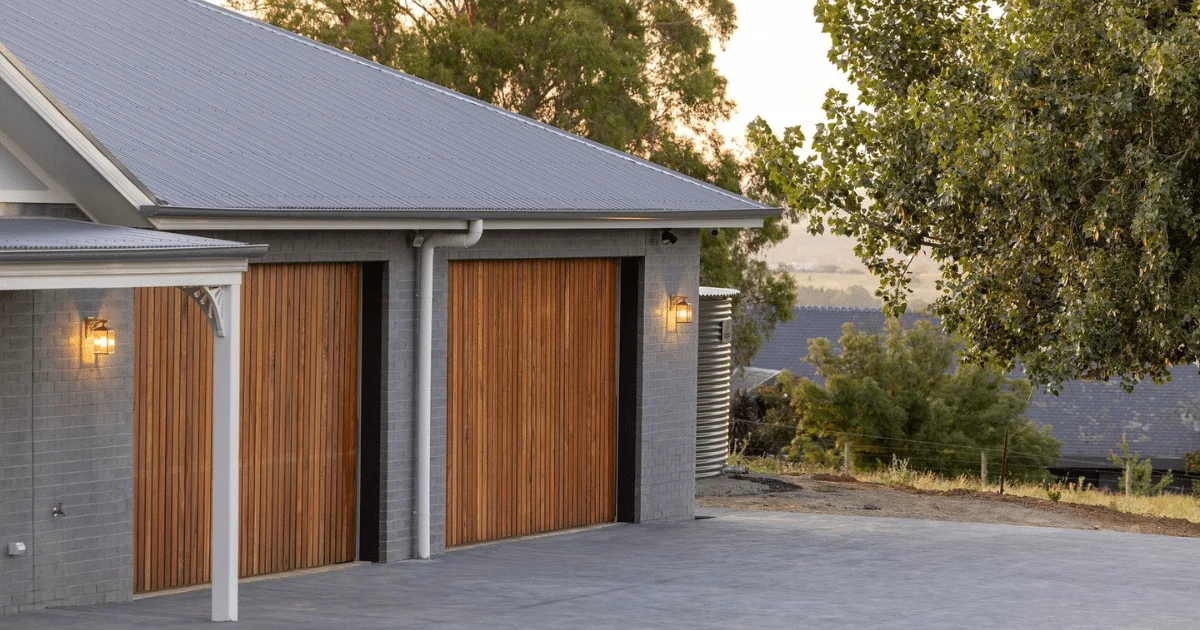
When you’re planning a new home, it’s easy to be drawn to the stunning features often associated with architectural design. Expansive glazing, natural materials, open living spaces and thoughtful connections to the surrounding landscape can all create a home that feels unique to the people who live in it.
However, building an architectural home involves much more than following a set of plans. While every new home requires quality construction, architectural homes often include custom details, complex structural elements and carefully considered finishes that require a different level of coordination throughout the project.
This is why many homeowners spend time researching architectural home builders before choosing who will bring their vision to life. Understanding what separates a well-built architectural home from a standard build can help you make informed decisions throughout the planning and construction process.
Architectural Homes Require More Than Standard Construction Methods
One of the biggest differences between an architectural home and a standard build is the level of complexity involved during construction.
Standard home designs are often based on proven layouts and repeatable construction methods. Architectural homes, on the other hand, are typically made around the homeowner’s preferences, the site’s characteristics and the architect’s vision. As a result, each project may present its own construction requirements.
For example, if you want a home with large cantilevered sections, double-height living areas or floor-to-ceiling windows it may require additional structural engineering and careful sequencing during construction. Features such as concealed gutters, floating staircases or exposed steel elements also demand precise planning long before construction begins.
Understanding these helps explain why experience with architectural projects can be just as important as the design itself.
Attention to Detail Influences the Final Finish
Architectural homes often rely on clean lines and carefully resolved details to achieve their intended design. Because of this, even small inconsistencies may become more noticeable than they would in a standard home.
Details such as aligned window frames, consistent shadow lines, flush skirting boards and seamless material transitions all contribute to the finished result. Achieving these outcomes requires careful workmanship throughout every stage of construction rather than simply at the final inspection.
For homeowners, this means the quality of the finished home is shaped by thousands of small decisions made throughout the building process. Attention to detail doesn’t simply improve appearance, it also helps ensure different materials and building elements work together as intended.
Collaboration as an Important Role Throughout the Project

Building an architectural home is rarely the responsibility of one person alone. Instead, it often involves ongoing collaboration between the homeowner, architect, engineers, consultants and construction team.
Each professional contributes specialist knowledge that helps move the project from concept to completion. Throughout construction, decisions made in one area can affect several others.
For instance, adjusting a structural beam may affect glazing sizes, ceiling details or interior finishes. Similarly, changes to external cladding may require updates to waterproofing systems or construction sequencing.
Open communication throughout the project helps minimise unnecessary delays while supporting the overall design intent.
Materials Often Require Precision During Installation
Many architectural homes incorporate materials for both their appearance and long-term performance. Timber cladding, natural stone, polished concrete, steel features and large-format glazing can all contribute to the character of your home.
However, the quality of these materials alone does not determine the final outcome. Many finishes require precise installation techniques to achieve the look envisioned in the design documentation.
Even minor inaccuracies can affect alignments, weather protection or the way different materials meet each other throughout the home.
Start Planning Your Dream Home
Thinking about building a custom home? Our team can guide you through design, planning, and construction.
Problem Solving Is Part of the Construction Process
Even with detailed documentation, construction projects can present unexpected challenges along the way.
Site conditions may differ from initial expectations, material availability can change and certain design details may require refinement once construction is underway. Architectural homes, particularly those with custom features, often involve more of these practical considerations than standard builds.
Rather than viewing these situations as challenges, experienced teams typically approach them as opportunities to find solutions that maintain both the structural integrity of the home and the original design vision.
This collaborative approach can help keep your project moving while preserving the features that are most important to you.
The Building Process Is More Collaborative Than Many Homeowners Expect

Unlike standard homes that may follow a highly structured construction process with limited changes, architectural homes often involve ongoing discussions throughout the building process.
Regular site meetings, reviews of construction details and coordination between different trades can help ensure that your finished home reflects the original plans as closely as possible.
For example, confirming the placement of lighting, reviewing timber grain direction or checking custom joinery details before installation may seem like small decisions individually. But together, they can contribute to the overall quality and functionality of the home.
Choosing Architectural Home Builders for Your Project
Selecting architectural home builders involves more than comparing prices or construction timelines. It is also worth considering how a builder approaches complex projects and works with the broader design team.
Many homeowners look for builders who can demonstrate:
- experience delivering architecturally designed homes
- a portfolio that shows consistent workmanship
- established processes for collaborating with architects and consultants
- clear communication throughout planning and construction
Taking the time to understand a builder’s approach can provide greater confidence that your home’s design, materials and detailing will be carefully considered from the beginning of the project through to completion.
Start Planning Your Dream Home
Thinking about building a custom home? Our team can guide you through design, planning, and construction.
Conclusion
A well-built architectural home is shaped by much more than an impressive design. It reflects careful planning, skilled workmanship, effective collaboration and thoughtful problem solving throughout every stage of construction.
By understanding what separates architectural homes from standard builds, homeowners can help you decide and make you prepared for the considerations that come with the custom project. This knowledge can also help create realistic expectations while supporting a smoother building experience.
If you’re planning an architecturally designed home, our team at Cobalt Constructions can help you navigate the complexities of the construction process while bringing your vision to life with careful attention to detail.
Frequently Asked Questions
What makes an architectural home different from a standard home?
An architectural home is typically designed around the homeowner’s lifestyle, the site’s characteristics and the architect’s vision rather than following a standard floor plan. As a result, these homes often include custom layouts, specialised materials and construction details that require greater coordination throughout the project.
Why is experience important for architectural home builders?
Experience can help builders manage the unique challenges that often arise during the architectural projects. From interpreting detailed plans to coordinating multiple consultants, familiarity with complex construction processes can contribute to a smoother building experience.
Are architectural homes more difficult to build?
In many cases, yes. However, the level of complexity will depend on the design, structural requirements, site conditions and selected materials of your home. For instance, some projects require significantly more coordination than others.
Do architectural homes always cost more than standard homes?
Not necessarily. Construction costs can vary depending on factors like design complexity, site conditions, materials, engineering requirements and the level of customisation involved. Every project has its own considerations.
Can an architect work with any builder?
Generally, yes. However, many homeowners choose builders who regularly deliver architectural projects because they are often familiar with the level of coordination, detailing and communication these homes typically need.